
Cutting edge publications and research
from the IVF Academy Team.
How Fertility Nurse Schooling Prepares You for IVF and Beyond
TL;DR: Fertility nurse schooling prepares nurses to support patients through the clinical, emotional, and logistical demands of IVF care. Specialized training helps nurses move from general nursing knowledge into confident fertility care across IVF, fertility preservation, reproductive endocrinology, and early pregnancy support.
- Fertility nurses help coordinate IVF cycles, teach injectable medications, support monitoring visits, and prepare patients for retrievals and embryo transfers.
- Most fertility nurses start as registered nurses, then gain experience through women’s health, OB-GYN, procedural care, or direct fertility clinic training.
- Becoming a fertility nurse may take about two to four years for RN education, plus several months to one year of fertility-specific training.
- Fertility nurse practitioners complete additional graduate education, certification, and licensure, often adding two to four years.
- IVF Academy helps clinicians build practical fertility-care skills for team-based reproductive medicine.
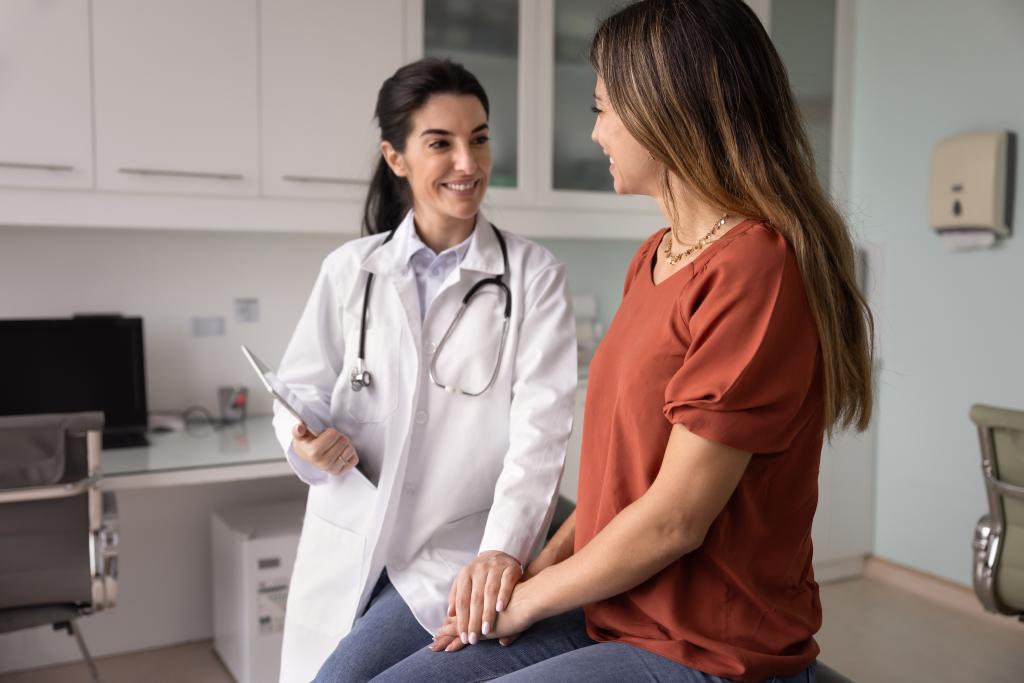
Fertility nurse schooling prepares individuals to step into one of the most hands-on, high-trust areas of reproductive medicine. In an IVF clinic, nurses are involved in nearly every aspect of patient care. They may help patients understand treatment plans, prepare for injections, move through monitoring, get ready for retrieval and transfer, and recognize symptoms that need clinical attention.
The combination of timing and communication makes infertility nursing such a specialized area. After all, IVF treatment is built around many small, sensitive windows. A fertility registered nurse helps keep those moving pieces clear for patients and coordinated for the clinical team.
Specialized training can turn general nursing experience into IVF-ready confidence. Let’s take a look at the difference that fertility nurse schooling can make for nurses who want to grow in reproductive health.

What Fertility Nurse Schooling Teaches You for IVF Care
High-quality fertility nurse schooling begins with reproductive physiology, then quickly moves into the realities of daily clinic care.
Training often covers:
- IVF cycle coordination and calendar review
- Injectable medication teaching
- Monitoring visits, ultrasound timing, and lab interpretation basics
- Retrieval and embryo transfer preparation
- Patient triage and symptom escalation
- Fertility preservation, donor cycles, and genetic testing workflows
- Documentation and communication across the care team
More importantly, they need to understand the patient experience. Fertility treatment can be intensely emotional, involving feelings like grief and financial pressure. Instructions are often complicated, and many patient decisions are time-sensitive, which can increase feelings of stress and overwhelm. A nurse who can explain a protocol in plain language and detect the worry underneath a patient’s question becomes a central part of care.
In fact, IVF nurses are often the professionals patients speak with most often during treatment.
How Do You Become a Fertility Nurse?
There is no single path to becoming a fertility nurse, but there are a few common progressions that can help put you on the right track.
Most fertility nurses begin by becoming registered nurses through an accredited nursing program, then earning RN licensure. According to the Bureau of Labor Statistics, the standard registered nursing pathway may include an associate degree, a bachelor’s degree, or an approved nursing diploma program.
After licensure, nurses often gain experience in women’s health, OB-GYN, surgery, endocrinology, oncology, or ambulatory care. Some enter fertility clinics and build their skills through direct mentorship. From there, fertility-specific education helps nurses understand how IVF protocols work and how to support patients through each stage.
The path to becoming a fertility nurse practitioner takes somewhat longer. Nurse practitioners complete graduate-level education and meet state requirements for advanced practice. With that said, fertility nurse practitioners often have additional duties compared to fertility nurses. NPs may participate in consultations, monitoring, treatment planning support, procedures within their scope, and patient education under clinic protocols.
How Long Does It Take to Become a Fertility Nurse?
Because there is no single path to fertility nursing, it can take different individuals more or less time to become a fertility nurse. Someone entering nursing from the beginning may spend about two to four years completing RN education, depending on the degree path. An associate degree in nursing may take about two years, while a bachelor’s degree in nursing often takes about four years.
Moving into fertility care adds clinic training, mentorship, and continuing education. Many nurses spend several months to one year learning fertility-specific workflows inside an IVF or reproductive endocrinology clinic.
For an already licensed RN, the transition can be much faster. If the nurse already has a background in OB-GYN, women’s health, procedural care, or patient triage, the transition may only take a few months. With that said, becoming comfortable with IVF takes repetition. Many nurses tell us that it takes between six months and a year to feel truly comfortable in the role.
Advanced practice takes longer. After RN preparation, nurse practitioners complete graduate-level education, national certification, and, finally, state licensure. In many cases, this adds two to four additional years, depending on the program and whether the nurse studies full-time or part-time.
Where IVF Academy Fits Into Fertility Training
IVF Academy helps clinicians expand their practical fertility-care skillset through structured clinical education. Our mission supports a team-based model of reproductive medicine, where physicians, NPs, PAs, nurses, and other trained professionals can help improve access to care under appropriate clinical leadership. For nurses, that kind of education can sharpen the skills used every day in IVF clinics.
Interested in opening the door to more confident patient care and a deeper place on the fertility team? Take our clinical fertility nursing courses to expand your skill set.