
Cutting edge publications and research
from the IVF Academy Team.
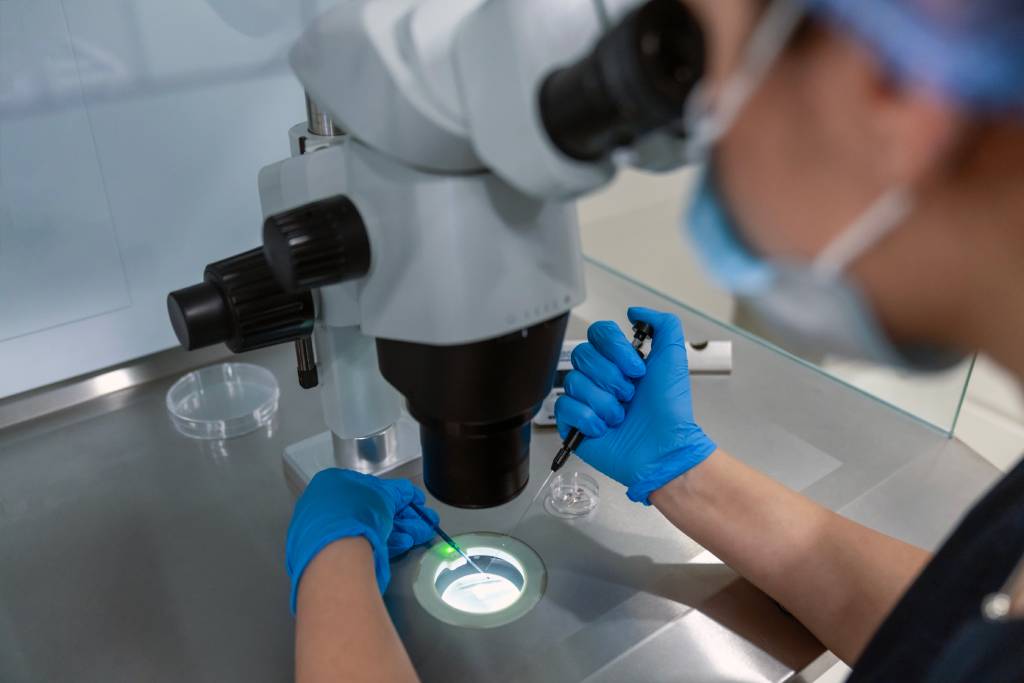
ICSI IVF Success Factors: Evidence-Based Guidance for Embryologists
TL;DR: Intracytoplasmic Sperm Injection (ICSI) outcomes depend on much more than injection technique alone. This blog explains that successful ICSI in vitro fertilization (IVF) requires embryologists to evaluate each case individually, maintain disciplined lab workflows, and focus on the controllable variables that most directly affect fertilization and embryo development.
- ICSI should be used thoughtfully, not routinely, with case selection based on the biology of the cycle and the reason micromanipulation is needed.
- Reviewing semen quality, prior fertilization history, and oocyte maturity before injection helps embryologists anticipate risk and interpret results more accurately.
- Oocyte quality sets an important limit on success, since ICSI can assist fertilization but cannot overcome poor developmental competence.
- Reliable sperm selection, standardized timing, and repeatable workflows are often more valuable than newer add-on technologies without clear outcome benefits.
- Strong lab systems, stable culture conditions, and trained operators work together to protect the value of good ICSI technique.
In ICSI IVF, strong outcomes depend on placing careful weight on the many factors an embryologist can control. Appropriate case selection, sperm handling, oocyte maturity, timing, and the stability of the culture environment all shape fertilization and downstream embryo development.
Continue reading to learn more about the variables embryologists can influence most directly.
What Is ICSI?
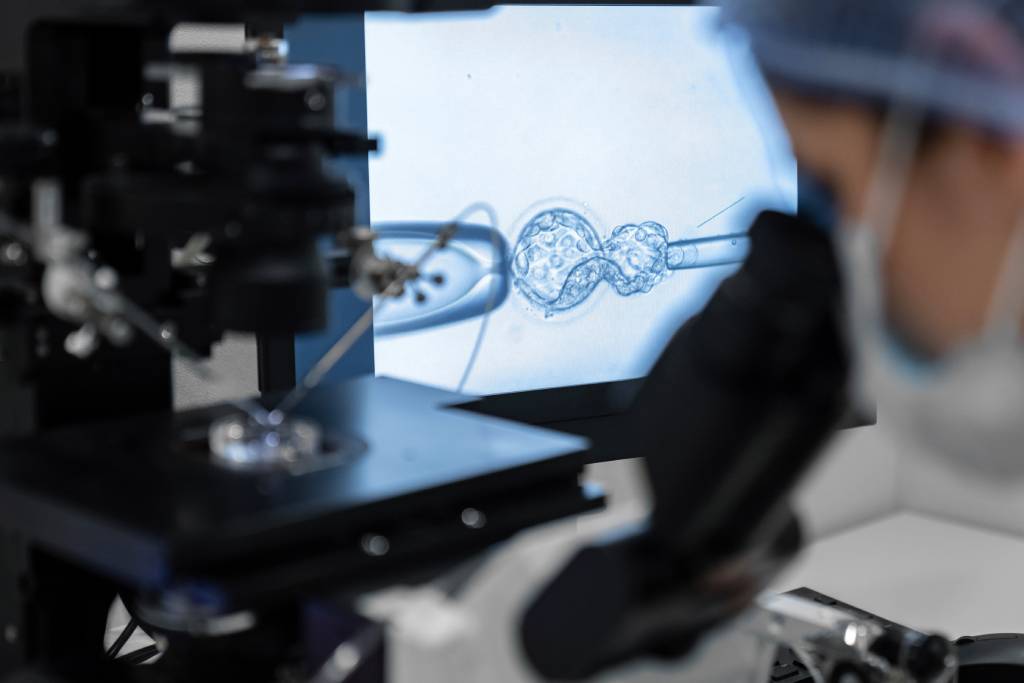
IVF and ICSI are not interchangeable, and success begins with matching the method to the biology in front of you. In practical terms, the ICSI procedure involves selecting a single sperm and injecting it directly into a single mature oocyte.
ICSI was introduced to overcome low or failed fertilization, especially in male factor infertility. With that said, guidance from the American Society for Reproductive Medicine (ASRM) does not support routine use for every non-male factor cycle.
Confirm the Case-Specific Risk Before Injection
Embryologists have some control over ICSI fertility outcomes even before injection, specifically by identifying the factors most likely to affect fertilization in that specific cycle. That includes reviewing semen quality, prior fertilization history, oocyte maturity, and whether the case involves a known risk such as severe male factor infertility or previous low or failed fertilization.
In other words, embryologists shouldn’t fall into the trap of treating all ICSI cases like they’re the same. By approaching each case as unique, they can better prepare for technical challenges in the lab and interpret fertilization results in the right clinical context. Essentially, ICSI tends to perform best when the embryology team understands why a given case may benefit from micromanipulation in the first place.
Oocyte Quality Shapes What ICSI Can Achieve
ICSI can overcome a failure of sperm binding or penetration, but it cannot compensate for an oocyte that lacks developmental competence. Don’t make the mistake of placing more importance on injection technique than oocyte maturity or quality.
In other words, the pre-injection assessment matters just as much as the injection itself. A lower-than-expected result may reflect intrinsic oocyte factors that were present before micromanipulation began. Ensure you understand whether a given oocyte was capable of supporting normal fertilization and embryo development in the first place.
Sperm Selection Should Prioritize Reliability Over Complexity
Sperm selection can influence ICSI outcomes, too. Labs should focus on standardized semen processing, identification of viable motile sperm, and clear protocols for cases where motility is limited. When only immotile sperm are available, viability assessment becomes even more crucial, as embryologists must determine which sperm are functionally alive.
Newer selection tools such as IMSI (intracytoplasmic morphologically selected sperm injection, which uses ultra-high magnification to choose sperm) or PICSI (physiological ICSI, which uses hyaluronic acid binding to help select sperm) aren’t necessarily the answer, however. These add-ons promise more refined sperm choice, but they have not consistently shown better live-birth outcomes than conventional ICSI. Ultimately, embryologists should stick to proven methods when feasible, and reserve add-ons for situations where they have a clear purpose.
Timing Matters Most When the Workflow Is Consistent
Timing in ICSI is important, so oocytes should always be handled within a controlled, repeatable workflow that avoids avoidable delay and unnecessary variation between cases. As a rule, that means embryologists focus more on overall consistency rather than chasing a single ideal minute mark.
If timing varies too much between cases or operators, it becomes harder to interpret outcomes and to know whether any performance issues are fundamentally biological or procedural. A consistent workflow gives the lab a more reliable foundation for improving its results over time.
Stable Lab Systems Protect the Value of Good Technique
A technically sound injection is only one part of ICSI success. Embryologists also depend on a lab environment that keeps oocytes and sperm in stable conditions throughout handling. Even seemingly small changes, such as pH or air quality, can end up undermining a strong micromanipulation technique.
Thus, operator skill, while important, isn’t a factor to consider in isolation. Good ICSI performance depends on trained embryologists working within standardized protocols in a lab system designed to reduce avoidable stress on the gametes. When outcomes vary, the first question should always be whether the surrounding conditions consistently supported that work.
The Future of ICSI IVF
IVF Academy USA’s laboratory courses are designed to strengthen hands-on embryology, micromanipulation, sperm preparation, and quality-control skills in a real working lab environment, including dedicated ICSI fertility treatment training for embryology professionals. Check out our laboratory courses now and improve your outcomes.