
Cutting edge publications and research
from the IVF Academy Team.
Oocyte Retrieval Techniques: From Stimulation to Collection
TL;DR: This blog explains oocyte retrieval as a coordinated IVF process rather than a single procedure. It shows how stimulation, timing, aspiration, and laboratory recovery work together to support safe, efficient, and well-organized fertility care.
- Oocyte retrieval connects stimulation to fertilization: After final maturation is triggered, clinicians collect oocytes so the embryology team can assess and prepare them for the next stage of IVF.
- An oocyte is the female reproductive cell: In IVF, clinicians aim to retrieve oocytes at the right stage of development because retrieval quality affects everything that follows.
- Strong retrieval outcomes begin before procedure day: Individualized stimulation, careful monitoring, and precise trigger timing help support mature oocyte collection while reducing risk.
- Oocyte aspiration is only one part of good technique: Effective retrieval also depends on patient preparation, standardized workflow, specimen traceability, post-procedure care, and team competency.
- Oocyte recovery is a team-based lab process: After aspiration, embryology professionals identify and prepare the oocytes, making close coordination between the clinical and laboratory teams essential.
In IVF, oocyte retrieval is the bridge between ovarian stimulation and laboratory fertilization. After triggering final maturation, clinicians collect the eggs so the embryology team can assess and prepare them for the next stage of treatment.
Instead of thinking of oocyte retrieval as a standalone event, think of it as one small, coordinated part of the broader IVF process.
With that in mind, clinicians should begin following best practices before the needle enters the follicle, as every choice will ultimately shape the quality and maturity of the oocytes they collect. That same process continues after aspiration, when the clinical and laboratory teams work together to support successful identification and handling of the eggs.
Continue reading to learn more about the oocyte retrieval process, from beginning to end.
What Is an Oocyte and How Does Retrieval Fit Into IVF?
An oocyte is the female reproductive cell, often referred to as the egg cell. In IVF, clinicians work toward collecting oocytes that can then be evaluated for maturity and used in fertilization.
IVF depends on retrieving eggs from the ovaries and combining them with sperm in the lab. Thus, the quality of IVF retrieval has direct implications for everything that follows. Clinicians must collect oocytes at the right point in development, using a workflow that protects both patient safety and laboratory efficiency. The best clinicians treat retrieval as the beginning of a lab-dependent chain of events.
From Ovarian Stimulation to the Egg Retrieval Procedure
Before the egg retrieval procedure can happen, the ovaries must be stimulated in a controlled way, with monitoring and medication choices tailored to the patient while also aiming to reduce the risk of excessive ovarian response and OHSS. Current guidance emphasizes individualized ovarian stimulation, with monitoring to assess follicular growth and help determine the optimal timing for final oocyte maturation.
Trigger timing is especially important. Retrieval is generally performed after final maturation has been induced, within a defined time window that allows collection before spontaneous ovulation.
How Oocyte Retrieval and Oocyte Aspiration Are Performed
Most modern retrievals are performed as transvaginal ultrasound-guided procedures. The clinician advances a needle through the vaginal wall into the follicles using ultrasound for visualization. Then, the clinician carefully removes follicular fluid for laboratory review. This step is commonly described as oocyte aspiration, and it remains the standard procedural approach.
Needle placement is only one element of a strong retrieval technique, however. Strong retrieval skills are built within a reproducible, safety-conscious process, including:
- Preparation before retrieval: The team confirms patient identity, reviews the treatment plan, prepares equipment and supplies, and aligns the procedure room with the embryology lab so specimens can move quickly and accurately after collection.
- Standardized procedural technique: During retrieval, a consistent ultrasound-guided technique, careful handling of aspirated follicular fluid, and clear communication between the clinician and lab help support both efficiency and oocyte identification.
- Specimen traceability: Every step of oocyte handling must follow strict identification and documentation processes so the right specimens remain linked to the right patient throughout the retrieval workflow.
- Post-procedure recovery and observation: Good retrieval practice includes monitoring the patient after the procedure, recognizing that oocyte retrieval is associated with discomfort and a recovery period that should be managed thoughtfully.
- Team training and competency: Retrieval quality depends on structured training, demonstrated competency, and repeatable systems that support safe performance over time.
In essence, strong retrieval skills are built on performing the steps of oocyte retrieval within a reproducible, safety-conscious system.
Oocyte Recovery and Best Practices
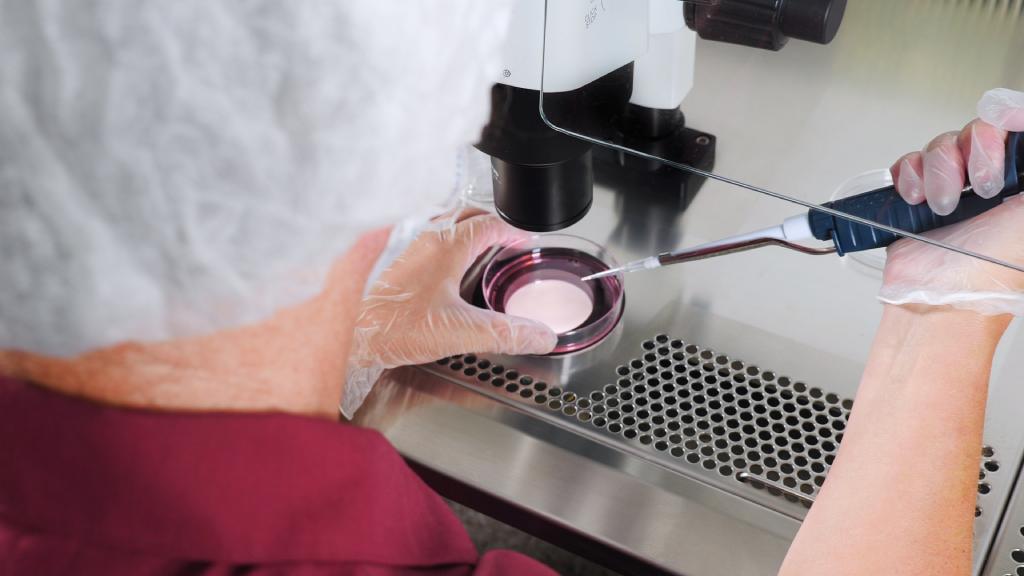
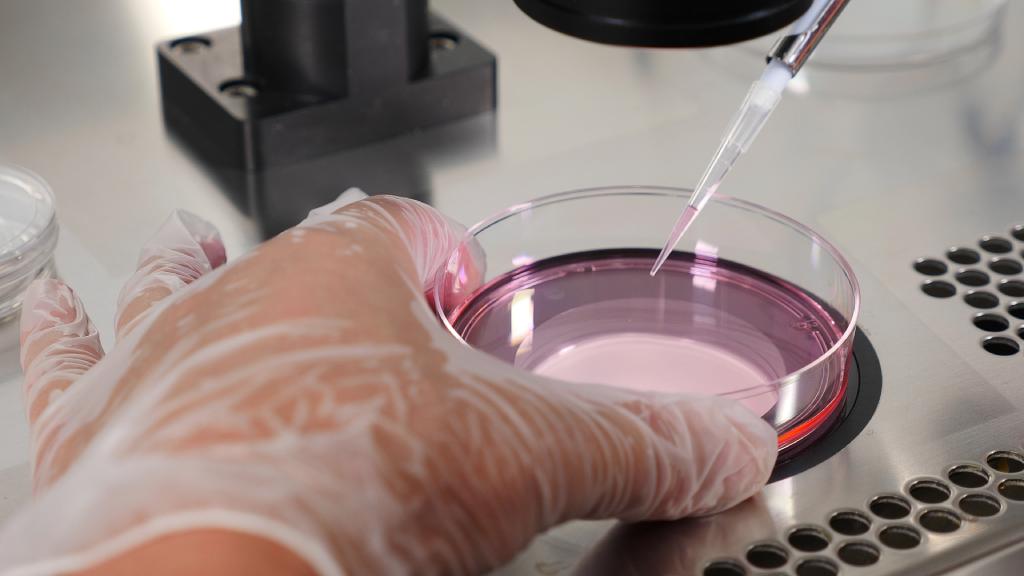
After the successful collection of the follicular fluid, clinicians shift their focus to oocyte recovery in the lab. During the recovery process, embryology professionals search the aspirated fluid, identify the oocytes, and prepare them for the next phase of IVF care.
Ultimately, best practices in retrieval come down to a few core principles:
- Individualized stimulation
- Careful monitoring
- Precise trigger timing
- Consistent ultrasound-guided technique
- Close coordination with the lab
Oocyte retrieval is therefore best viewed as a continuum from stimulation to collection to laboratory assessment. By understanding how each step influences the next, you will be better prepared to support well-coordinated fertility care.
Improve Your Skills at IVF Academy
IVF Academy’s laboratory courses help clinicians build a stronger understanding of what happens after collection, from embryology fundamentals to lab workflow and quality systems. Learn more about laboratory courses at IVF Academy.